Multisensory Teaching Approach For Dyslexia
Posted : admin On 10/4/2019- Multisensory Teaching Approach For Dyslexia Disorder
- Multisensory Teaching Approach For Dyslexia
- Multisensory Teaching Approach For Dyslexia Adults
Multisensory learning involves using two or more senses during the learning process. For example, a teacher who provides lots of hands-on activities, such as building a 3-dimensional map enhances their lesson by allowing the children to touch and see the concepts she is teaching. A teacher who uses oranges to teach fractions adds sight, smell, touch and taste to an otherwise difficult lesson.
- Multisensory teaching is one important aspect of instruction for dyslexic students that is used by clinically trained teachers. Effective instruction for students with dyslexia is also explicit, direct, cumulative, intensive, and focused on the structure of language.
- Research indicates that children with dyslexia benefit from teaching methods that involve multiple senses. Multi-sensory seading techniques aim to help children with dyslexia internalize reading skills by exploring skills through visual, auditory, kinesthetic and tactile activities simultaneously.
Multisensory Teaching Approach is a program for the remediation of Dyslexia and other reading disabilities. It follows research begun at Texas Scottish Rite Hospital in 1965 by Aylett R. Lucius Waites as they developed the Alphabetic Phonics program.
According to the International Dyslexia Association (IDA), multisensory teaching is an effective approach to teaching children with dyslexia. In traditional teaching, students typically use two senses: sight and hearing. Students see words when reading and they hear the teacher speaking. But many children with dyslexia may have problems processing visual and auditory information. By including more of the senses, making lessons come alive by incorporating touch, smell and taste into their lessons, teachers can reach more students and help those with dyslexia learn and retain information. Some ideas take just a little effort but can bring about big changes.
Tips for Creating a Multisensory Classroom
Writing homework assignments on the board. Teachers can use different colors for each subject and notations if books will be needed. For example, use yellow for math homework, red for spelling and green for history, writing a '+' sign next to the subjects students need books or other materials. The different colors allow students to know at a glance which subjects have homework and what books to bring home.
Use different colors to signify different parts of the classroom. For example, use bright colors in the main area of the classroom to help motivate children and promote creativity. Use shades of green, which help increase concentration and feelings of emotional well-being, in reading areas and computer stations.
Use music in the classroom. Set math facts, spelling words or grammar rules to music, much as we use to teach children the alphabet. Use soothing music during reading time or when students are required to work quietly at their desks.
Use scents in the classroom to convey different feelings. According to the article 'Do scents affect people's moods or work performance?' in the November, 2002 issue of Scientific American, 'People who worked in the presence of a pleasant smelling air freshener also reported higher self-efficacy, set higher goals and were more likely to employ efficient work strategies than participants who worked in a no-odor condition.' Aromatherapy can be applied to the classroom.
Multisensory Teaching Approach For Dyslexia Disorder
Some common beliefs about scents include:
- Lavender and vanilla help promote relaxation
- Citrus, peppermint and pine help increase alertness
- Cinnamon helps to improve focus
You may find that your students react differently to certain scents, so experiment to find which works best using a variety of air fresheners.
Multisensory Teaching Approach For Dyslexia
Start with a picture or object. Usually, students are asked to write a story and then illustrate it, write a report, and find pictures to go with it, or draw a picture to represent a math problem. Instead, start with the picture or object. Ask students to write a story about a picture they found in a magazine or break the class into small groups and give each group a different piece of fruit, asking the group to write descriptive words or a paragraph about the fruit.
Make stories come to life. Have students create skits or puppet shows to act out a story the class is reading. Have students work in small groups to act out one part of the story for the class.
Feb 24, 2019 Our software library provides a free download of MP3 Converter 9.2.2. The latest installer that can be downloaded is 13.7 MB in size. The MP3 Converter installer is commonly called MP3 Converter.exe, MP3Converter.exe, helpamp3converter.exe, MP3 RM Converter.exe or MP3 WAV Converter.exe etc. YoutubeMP3Free.org is the best online service 'Youtube to MP3' for converting videos from youtube to mp3. You only need to input Video URL, we will download and convert it to mp3 for you, and will give the final link for you to download. All our conversions will be perfomed in high quality mode with a bitrate of at least 128 kBit/s. 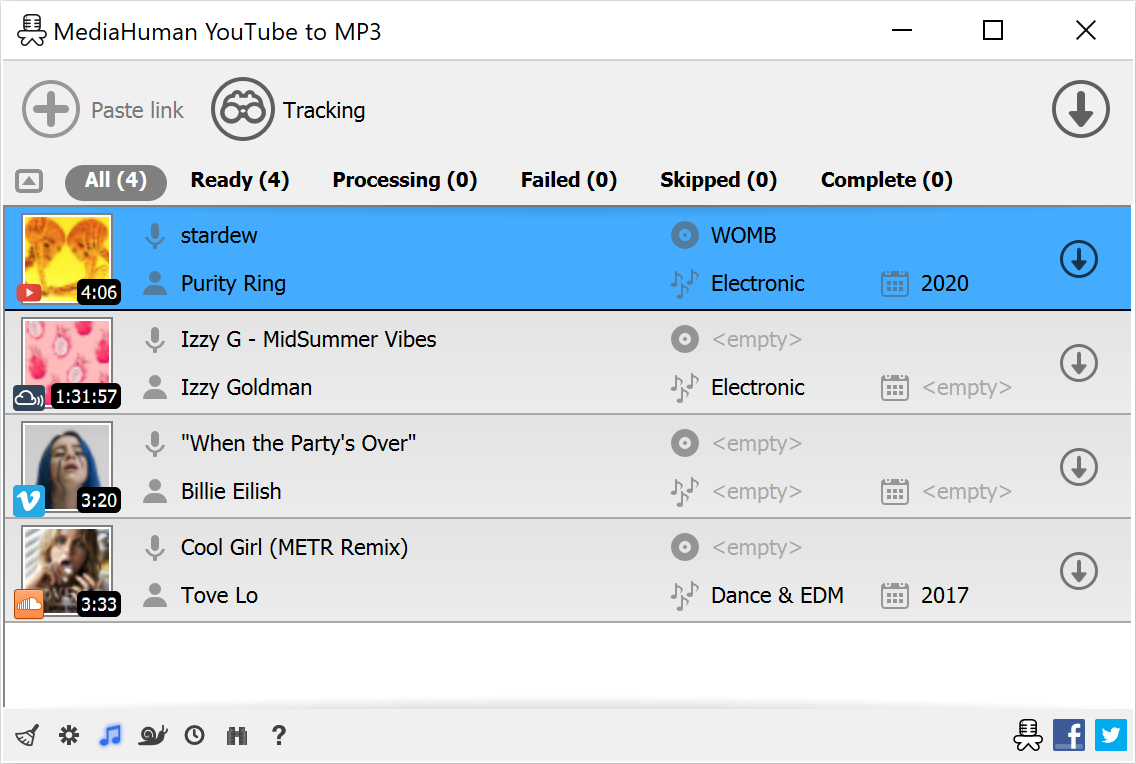 Convert and download youtube videos to mp3 (audio) or mp4 (video) files for free. There is no registration or software needed. Jul 18, 2019 Free Audio Converter supports all popular audio file formats. It converts between aac, ac3, aiff, ape, flac, m4a, m4b, mka, mp3, ogg, ra, tta, wav, wma, and more. It is the best MP3 converter on the net. It creates superior MP3 quality with the help of alternative MP3 LAME Encoder presets: INSANE. Download high quality MP3 files with our YouTube to MP3 Converter. Convert any YouTube video in seconds. Simple, fast and absolutely free!
Use different colored paper. Instead of using plain white paper, copy hand-outs on different color paper to make the lesson more interesting. Use green paper one day, pink the next and yellow the day after.
Encourage discussion. Break the class into small groups and have each group answer a different question about a story that was read. Or, have each group come up with a different ending to the story. Download pacemaker macbook pro. Small groups offer each student a chance to participate in the discussion, including students with dyslexia or other learning disabilities who may be reluctant to raise their hand or speak up during class.
Multisensory Teaching Approach For Dyslexia Adults
Use different types of media to present lessons. Incorporate different ways of teaching, like films, slide shows, overhead sheets, P owerpoint presentations. Pass pictures or manipulatives around the classroom to allow students to touch and see the information up close. Making each lesson unique and interactive keeps students' interest and helps them retain the information learned.
Create games to review material. Create a version of Trivial Pursuit to help review facts in science or social studies. Making reviews fun and exciting will help students remember the information.
References
'Do scents affect people's moods or work performance?' 2002, Nov 11, Rachel S. Herz, Scientific American
International Dyslexia Association. (2001). Just the facts: Information provided by the International Dyslexia Association: Orton-Gillingham-Based and/or Multisensory Structured Language approaches. (Fact Sheet No.968). Baltimore: Maryland.